
Tabel Of Contents
- Overview of the Manaslu Circuit Trek (MCT)
- Overview of the Annapurna Circuit Trek (ACT)
- Manaslu Circuit vs. Annapurna Circuit – Quick Comparison Table
- Scenic Highlights – Annapurna Circuit vs. Manaslu Circuit
- Cultural Experience on the Trail
- Difficulty & Physical Challenges for Women Trekkers
- Permits & Guide Requirements
- Cost Comparison – Manaslu Circuit vs Annapurna Circuit
- Accommodation, Food & Comfort Levels
- Crowd Levels & Trekking Atmospheres
- Best Time to Trek – Weather Comparison
- Which Trek Is Better for Women Trekkers?
- Why Trek with Women Adventures?
- Final Thoughts – Manaslu Circuit or Annapurna Circuit?
- FAQs About Manaslu Circuit vs. Annapurna Circuit for Women
Choosing between the Manaslu Circuit vs. the Annapurna Circuit can feel like standing at a trail junction with two incredible views, both calling your name, both promising transformation, and both a little intimidating if you’re trekking as a woman. The truth is, this decision isn’t only about “which trek is harder” or “which trek is prettier.” It’s about safety, comfort, crowd energy, mental resilience, and the kind of story you want to live for two weeks in the Himalayas.
Maybe you want the warm confidence boost of a social, well-established route with plenty of teahouses and daily variety. Or maybe you want the quiet, raw magic of a remote trail where prayer flags flutter over deep valleys and you feel like you’ve discovered a secret Nepal.
This guide compares the Annapurna Circuit Trek vs. the Manaslu Circuit Trek through a women-first lens—honest, practical, supportive, and designed to help you decide based on your fitness, your comfort level, and your emotional readiness. You’ll learn how the Manaslu vs. Annapurna circuit differs in scenery, culture, difficulty, permits, cost, accommodation, crowd levels, and the overall vibe—so you can choose with confidence, not guesswork.
And if you want to trek with a team that understands the women’s perspective on safety, pacing, and sisterhood, Women Adventures (a women-owned, women-led trekking company) guides women through empowering Himalayan journeys—where the goal isn’t just to “finish the trek” but to feel strong while you do it.
Overview of the Manaslu Circuit Trek (MCT)
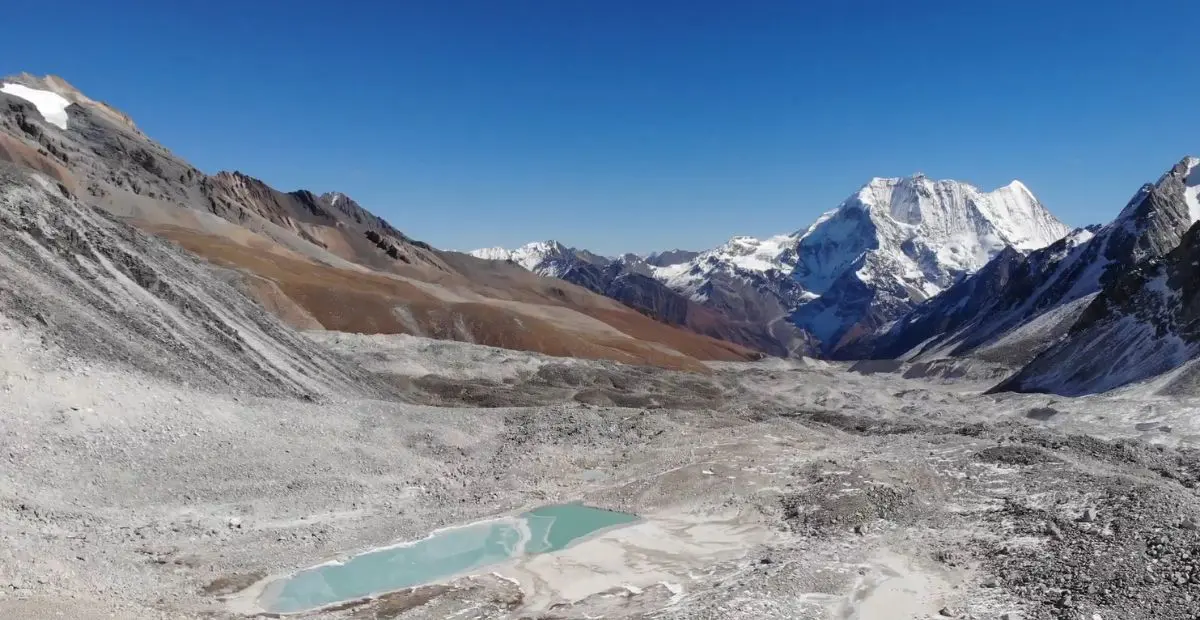
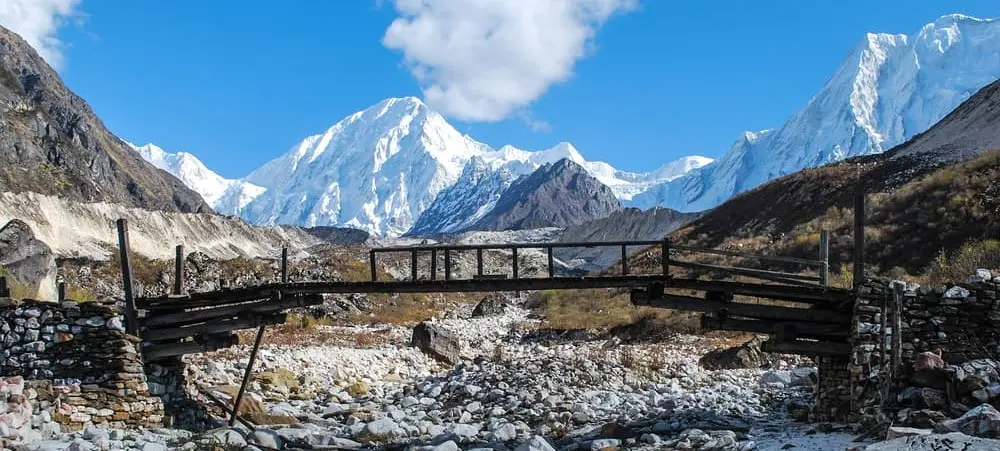
The Manaslu Circuit is the kind of trek that doesn’t beg for attention—it earns it. Remote, restricted, and deeply immersive, the Manaslu Circuit trek wraps around Mount Manaslu (8,163 m) through wild gorges, glacial rivers, and Tibetan-influenced villages where the culture feels quietly preserved rather than performed.
The Manaslu region offers trekking at its most authentic, featuring fewer crowds, fewer creature comforts, and an enhanced sense of that “I can’t believe this is real” wilderness feeling. Because it passes through restricted areas, the trek has stricter rules and logistics—often viewed as a burden at first… until you realize it creates structure, safety, and reliable support in remote terrain. Nepal’s Department of Immigration states that individual trekking in restricted areas is forbidden and requires a minimum of two trekkers.
Why women love Manaslu (when it suits them):
- It’s quiet— Fewer trekkers, more silence, more space
- It feels spiritual—mani walls, prayer wheels, monasteries, and mountain silence.
- Deep Himalayan immersion: long valleys, glacial rivers, dramatic gorges
- Tibetan Buddhist cultural atmosphere: mani walls, monasteries, prayer flags
- Stronger sense of self-reliance because facilities are simpler and towns are smaller
For women, the Manaslu experience often feels like a focused retreat disguised as a trek. It can be emotionally powerful: fewer distractions, fewer crowds, and a stronger rhythm of walking, eating, sleeping, repeating. It suits women who like solitude, authenticity, and a clear personal challenge.
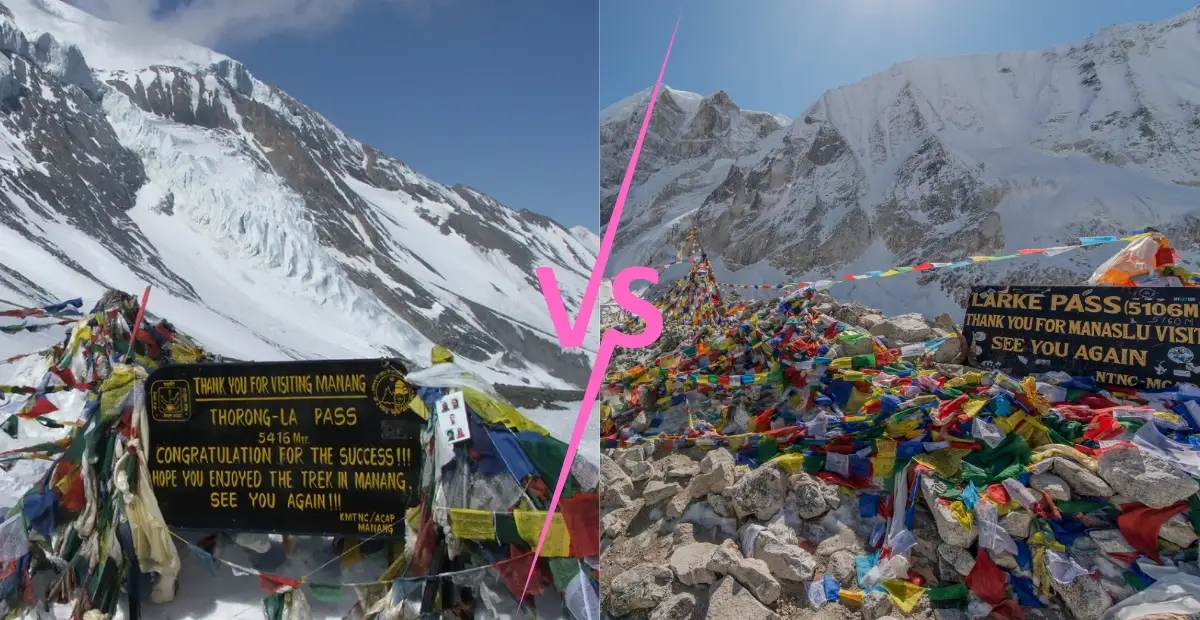
Key highlight: crossing Larke La Pass, one of the longest Himalayan passes, sitting around 5,106 m (16,752 ft).
If you want solitude, deep culture, and a trek that feels like an accomplishment you’ll carry for years, the Manaslu Circuit may be your match.
Overview of the Annapurna Circuit Trek (ACT)
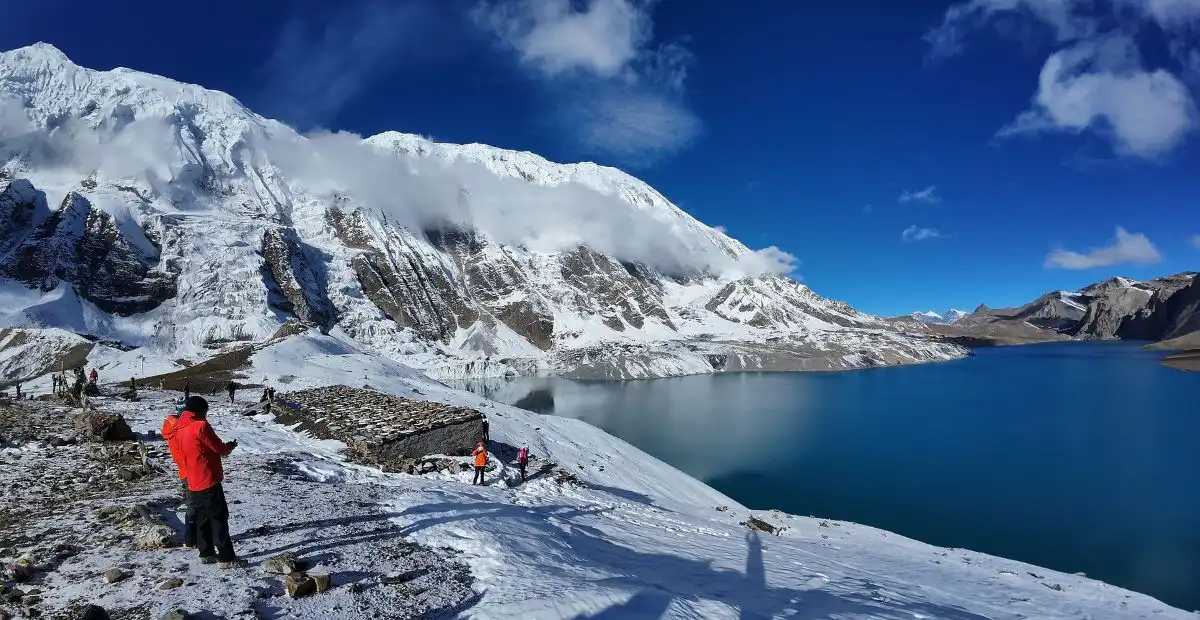
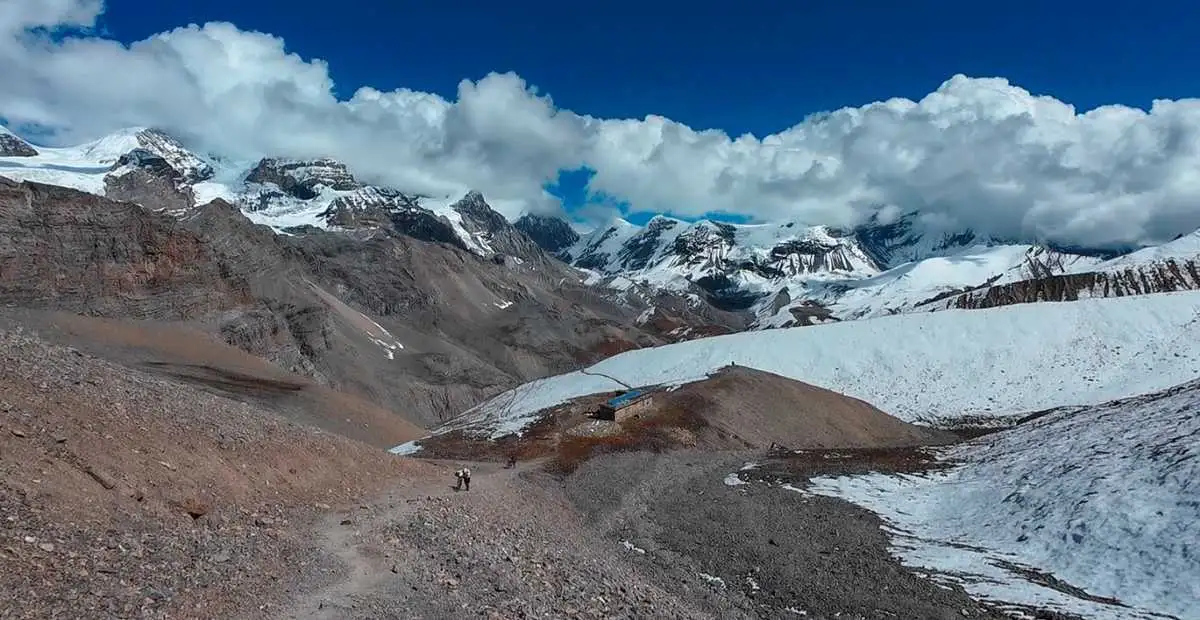
The Annapurna Circuit is Nepal’s classic long-distance trek—famous for variety, infrastructure, and that “new landscape every day” feeling. The Annapurna Circuit trek circles the Annapurna range and takes you through terraced farms, pine forests, alpine villages, and high-altitude deserts—like walking through multiple countries’ scenery in one trip.
The highest point is Thorong La Pass at 5,416 m, the iconic milestone of trekking the Annapurna Circuit.
Women often choose Annapurna because it’s
- Better infrastructure: more teahouses, more menu options, more services
- Variety: landscapes change fast, moods stay fresh
- Flexibility: more side trips, more itinerary choices
- Social trail energy: you meet more trekkers, more often
- Easier logistics: transport access, more checkpoints, more villages
For women, Annapurna often feels like a confidence-builder. It is demanding, but the trail “holds you” more gently than Manaslu because help, comfort, and alternative plans are easier to find.
It’s still a real trek—no sugarcoating that. But the trail tends to feel more forgiving because there’s more infrastructure and a wider range of pacing options. For women new to Nepal trekking, it’s often the best blend of adventure and reassurance.
Manaslu Circuit vs. Annapurna Circuit – Quick Comparison Table
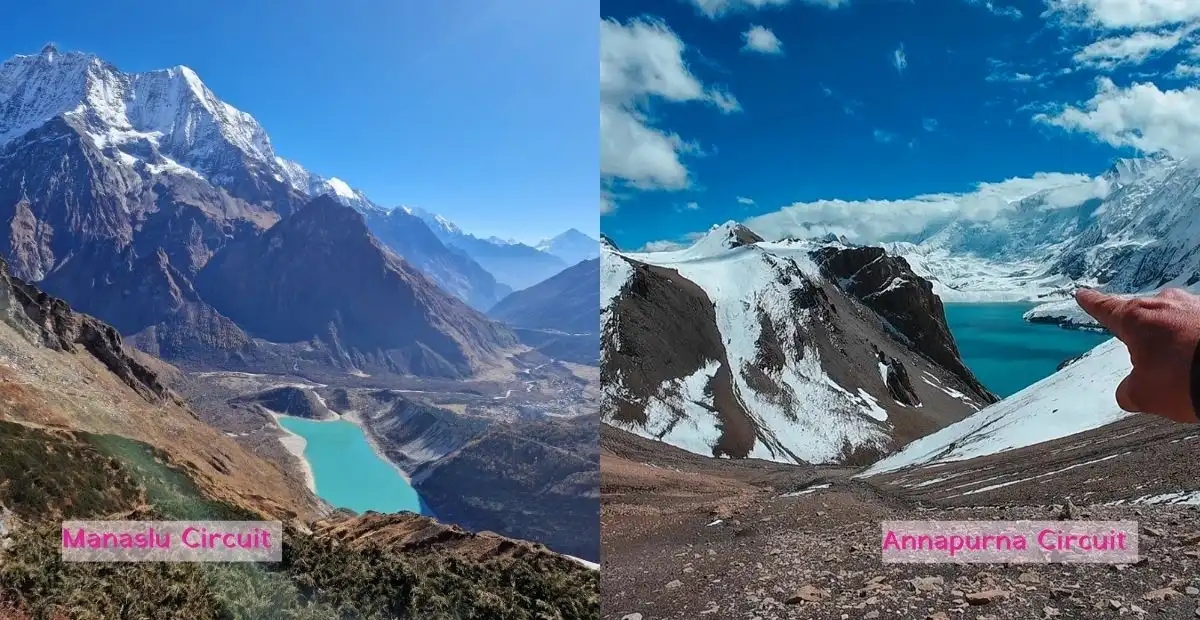
Below is a clear, women-first comparison of the Manaslu Circuit vs. the Annapurna Circuit, highlighting key differences in difficulty, comfort, safety, logistics, and trekking atmosphere to help women confidently choose the trek that suits them best.
| Category | Annapurna Circuit Trek (ACT) | Manaslu Circuit Trek (MCT) |
|---|---|---|
| Best For (Women’s Fit) | First-time Nepal trekkers, comfort + flexibility, social confidence-building | Experienced women, solitude seekers, deeper immersion, “earned achievement” |
| Overall Feel | Classic, diverse, and lively | Remote, raw, and meditative |
| Typical Duration | 12–18 days (can be shortened/extended with side trips) | 14–18 days (more fixed because of restricted-area logistics) |
| Distance (Approx.) | ~160–200 km (depends on road sections + side trips) | ~170–200 km (depends on itinerary + Tsum Valley add-on) |
| Highest Point | Thorong La Pass (5,416 m) | Larke La Pass (~5,106 m) |
| Trek Difficulty | Moderate–challenging (manageable with solid pacing) | Challenging (longer remote days + fewer facilities) |
| Altitude Risk (Women’s Notes) | Higher pass altitude, but more acclimatization flexibility (rest days + villages) | Slightly lower pass altitude, but remoteness makes recovery planning more important. |
| Crowd Levels | Higher in peak season; social trail energy | Lower crowds, quieter trail, less “touristy” |
| Guide Requirement | Not always mandatory, but highly recommended for women (safety + logistics) | Mandatory licensed guide + minimum group rules (restricted area) |
| Permit Set | ACAP (+ TIMS depending on current enforcement) | ACAP + MCAP + Restricted Area Permit (RAP) |
| Permit Complexity | Simple | More complex (agency processing + RAP rules) |
| Accommodation Quality | More teahouse choices; more predictable comfort | Fewer teahouses in remote villages; comfort varies more |
| Food Variety | Generally wider menu choices, more “comfort food” options | More limited menus in remote sections; simple, filling meals |
| Hygiene & Toilets | More consistent options, especially in main villages | More basic in remote villages (wet wipes and hygiene kit recommended) |
| Wi-Fi / Mobile Network | More frequent coverage and Wi-Fi availability in many lodges | Less consistent coverage; expect gaps and limited Wi-Fi |
| Charging & Power | Easier access in many teahouses (fees common) | Limited in remote areas; a power bank is strongly recommended. |
| Medical / Emergency Access | More access to health posts and evacuation logistics | More isolated; evacuation possible, but logistics may take longer |
| Road Access / Exit Options | More road points (easier to shorten or exit early) | Limited road access; fewer “easy exit” points |
| Side Trips (Best Add-ons) | Tilicho Lake, Ice Lake, Nar Phu (time and permit dependent) | Tsum Valley, Manaslu Base Camp (itinerary dependent) |
| Cultural Experience | Diverse (Gurung/Thakali/Manangi influences, busy villages) | Strong Tibetan-Buddhist feel (mani walls, monasteries, quieter villages) |
| Scenery Style | Constant landscape change: farms → forests → alpine → desert | Dramatic gorges, glacial valleys, and close Manaslu views |
| Best Trek Seasons | March–May, Sept–Nov (peak clarity + comfort) | March–May, Sept–Nov (best for Larke La conditions) |
| Typical Total Cost (Guided) | Often lower-mid range (more competitive pricing) | Often mid- to higher range (RAP + remoteness + mandatory guide) |
| Women’s Confidence Level Needed | Moderate (great for first big Himalayan trek) | Higher (best when you’re ready for remoteness and longer days) |
Scenic Highlights – Annapurna Circuit vs. Manaslu Circuit
Scenery isn’t just “nice to have.” On a long trek, scenery becomes fuel. It pulls you out of your sleeping bag when your legs feel heavy. It affects motivation, mental strength, and how safe you feel in your body. A landscape can energize you, calm you, or overwhelm you. Women often choose a circuit based on how they want their days to feel.
Both routes are stunning—but the beauty is different in personality.
Scenic Highlights of the Annapurna Circuit
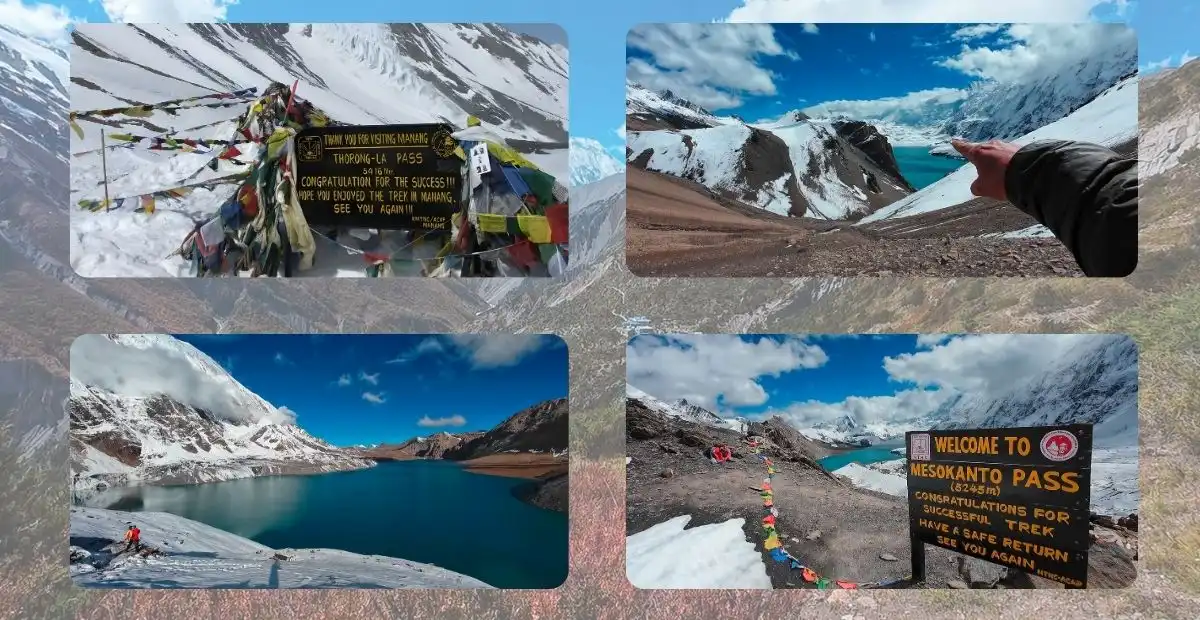
The Annapurna Circuit is visually varied with momentum. Every few days, the world transforms completely, ensuring your mind remains free from monotony.
What you see on the Annapurna Circuit
- Terraced farmland and villages in the lower sections
- Pine forests and river valleys that feel cool and clean
- Wide alpine meadows near Manang
- High-altitude desert beyond the tree line
- Iconic views of Annapurna ranges, Dhaulagiri, and peaks that appear suddenly between ridgelines
Why this scenery works well for women
- Variety keeps you mentally fresh during long walking days
- Wider trails and more settlements can increase comfort and perceived safety
- The build-up to Thorong La feels like a clear story arc: gradual, then epic, then release
- The scenery feels “open,” which can reduce the claustrophobic feeling some trekkers get in deep valleys
Annapurna’s landscape often feels like a playlist: different moods, different beats, always moving forward.
Scenic Highlights of the Manaslu Circuit
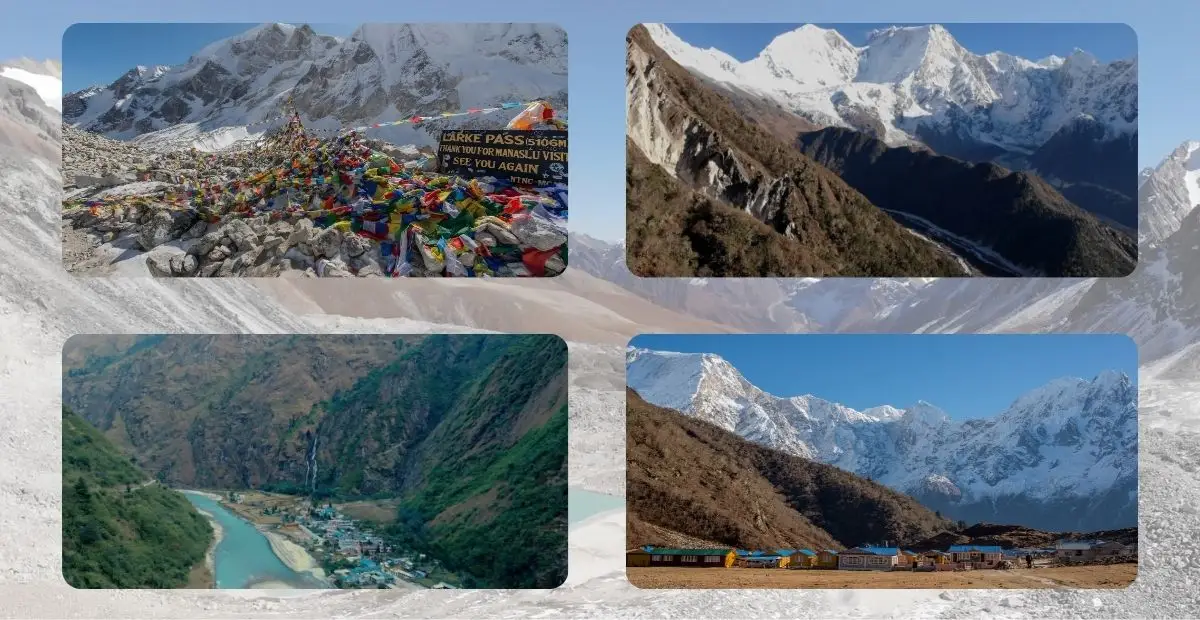
Manaslu is raw and intimate. The valleys feel deeper. The rivers feel louder. The gorges feel more dramatic. There is less “tourist polish,” which makes the wilderness feel closer.
What you see on the Manaslu Circuit
- Glacial rivers and suspension bridges that cut through steep terrain.
- Deep gorges where cliffs rise like walls.
- Remote valleys that feel genuinely far from modern life.
- Tibetan-style villages with prayer flags and stone architecture.
- Close-up mountain presence around Mount Manaslu and surrounding peaks.
Why this scenery works well for women
- Fewer trekkers create a calmer, more private emotional space.
- The landscape invites reflection and a slower internal pace.
- The wilderness feeling can create a powerful sense of accomplishment.
- The scenery feels “close,” which many women describe as humbling and deeply satisfying.
If Annapurna is a playlist, Manaslu is a single long song that keeps getting deeper.
Cultural Experience on the Trail
Culture affects safety and belonging. A welcoming lodge, a respectful interaction, a shared laugh in a dining room: these things change the entire trek. For women traveling far from home, cultural tone matters as much as altitude.
Cultural Experience on the Annapurna Circuit
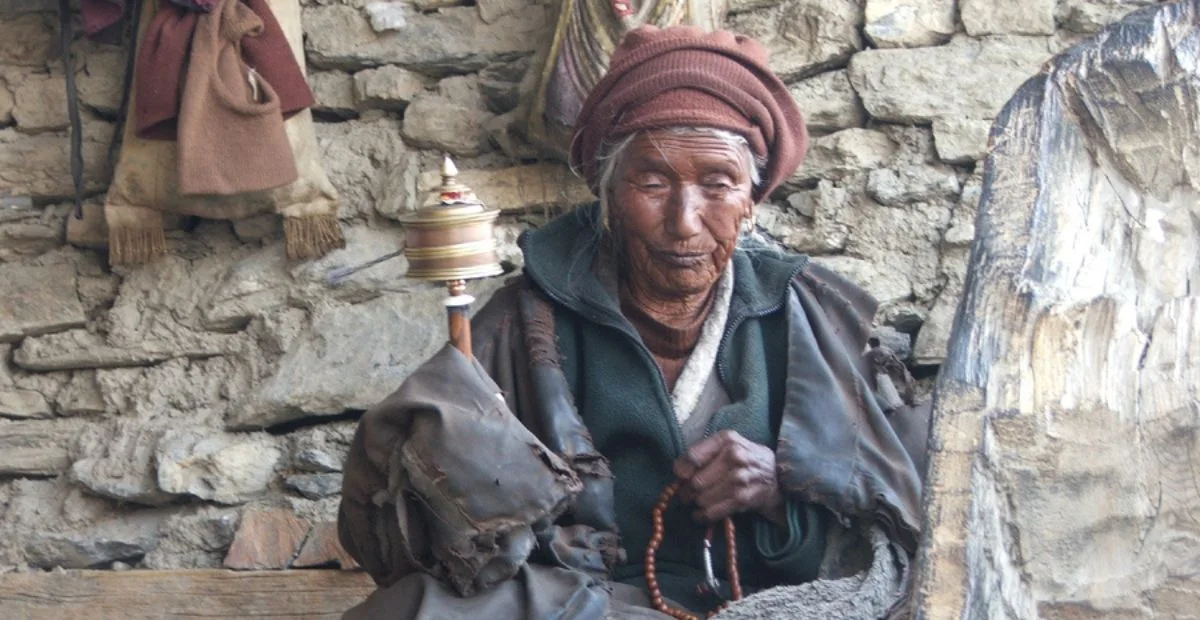
The Annapurna region is culturally diverse and socially active. You pass through communities influenced by Gurung, Thakali, and Manangi cultures, and you meet a wide mix of trekkers from around the world.
What does culture feel like in the Annapurna Circuit?
- Teahouse warmth is consistent because tourism is well established.
- Lodges often have busy dining rooms, which can feel safer at night.
- You see many travelers, including solo women, couples, and groups.
- The social environment makes it easier to find walking companions.
Why do women often feel supported in the Annapurna Region?
- More people around can help reduce isolation.
- More lodge options mean you can choose places that feel comfortable.
- The social vibe can boost confidence on harder days.
- It is easier to adjust plans without feeling “stuck.”
Annapurna culture feels like a friendly village street: movement, conversation, and shared routines.
Cultural Experience on the Manaslu Circuit
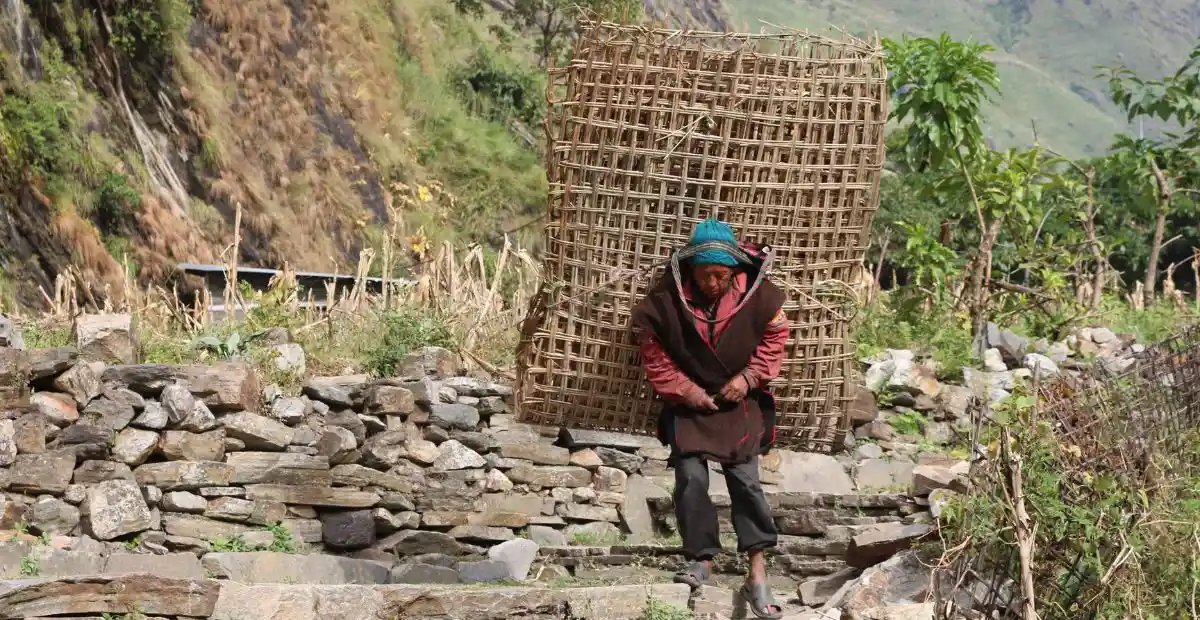
Manaslu culture is quieter, more traditional, and strongly influenced by Tibetan Buddhism, especially as you gain altitude.
What does culture feel like in the Manaslu Circuit?
- Monasteries, mani walls, and prayer wheels appear frequently.
- Villages feel less commercial and more local.
- Interactions can be quieter, sometimes limited by language and remoteness.
- Cultural respect becomes more important because communities are smaller and privacy matters.
Why does guided trekking matter more for women here?
- A professional guide helps with communication and respectful behavior.
- A guide can choose lodges that feel safe and well-run.
- In remote areas with limited options, structured logistics alleviate stress.
Manaslu culture feels like stepping into a slower century, where the rhythm of life is steady and deliberate.
Difficulty & Physical Challenges for Women Trekkers
Difficulty is not only leg strength. It is recovery, sleep, appetite, period management, altitude tolerance, and mental resilience on exhausted days. Women do not need “special treatment,” but women do benefit from realistic planning and consistent support.
Key difficulty factors that matter most:
- Altitude gain and acclimatization days
- Length of walking days and time on feet
- Trail conditions: exposure, steps, river crossings
- Access to rest, warmth, and nutrition
- Emergency support: evacuation coordination, road access, communication
Annapurna Circuit Trek Difficulty
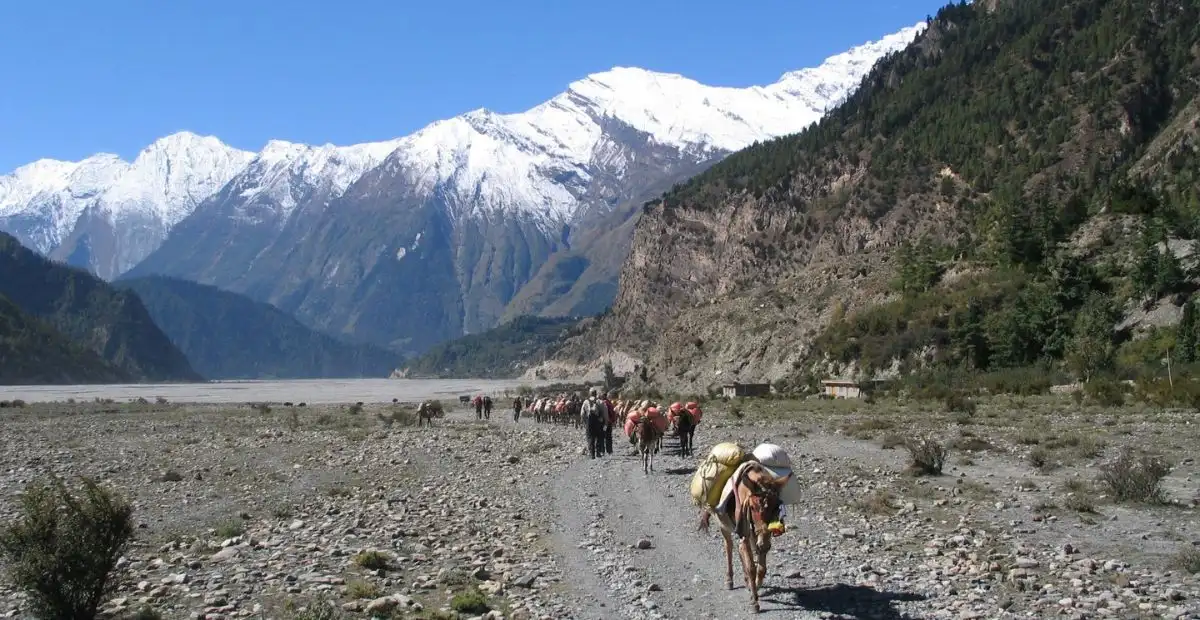
The Annapurna Circuit is challenging but manageable for women with moderate fitness and smart pacing. Thorong La is the big day, but the trek usually includes natural acclimatization in places like Manang.
Why Annapurna feels more manageable
- Better infrastructure supports recovery: warmer dining rooms, more food variety.
- More itinerary flexibility allows better acclimatization planning.
- Easier access to transport in some sections increases emergency options.
- More teahouses let you stop earlier if needed.
Realistic difficulty profile
- Several steady days of ascent
- One major pass day that feels long, cold, and early
- Descents that can stress knees if not paced well
With positive guidance, the Annapurna Circuit becomes a challenge that builds confidence instead of breaking energy.
Manaslu Circuit Trek Difficulty
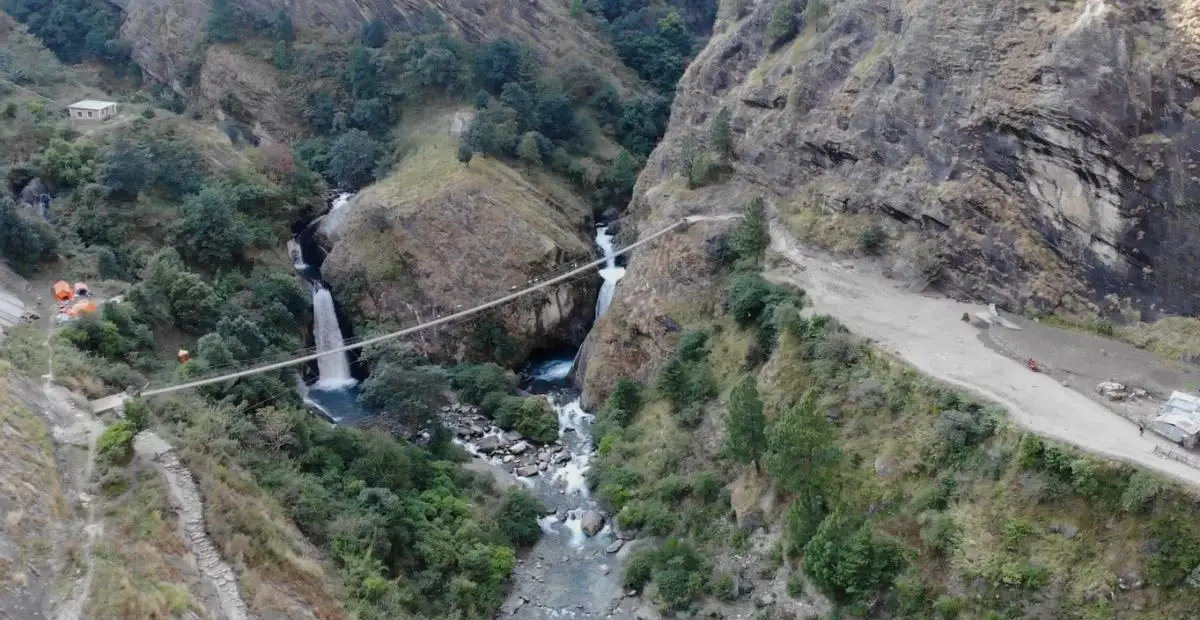
Manaslu often feels harder, even though the highest point is slightly lower than Thorong La. The reason is the overall ruggedness: longer isolated sections, fewer comfort upgrades, and a stronger sense of being far from “easy options.”
Why Manaslu feels more demanding
- Walking days can be longer, with more continuous up-and-down.
- Lodges are simpler, so sleep quality can be lower.
- Fewer menu choices can make nutrition more difficult on tired days.
- Remoteness adds mental weight, especially near Larke La Pass.
Realistic difficulty profile
- The trek includes more days that feel "effortful" rather than just one big day.
- The trek includes a pass day that is both physically and mentally intense.
- Recovery depends more on planning because comfort resources are limited.
For women who want a structured challenge with fewer distractions, Manaslu delivers.
Permits & Guide Requirements
Permits are not just paperwork. They shape safety, flexibility, and how supported you feel. Rules can change, so confirm current requirements through official Nepal authorities and your trekking agency before arrival.
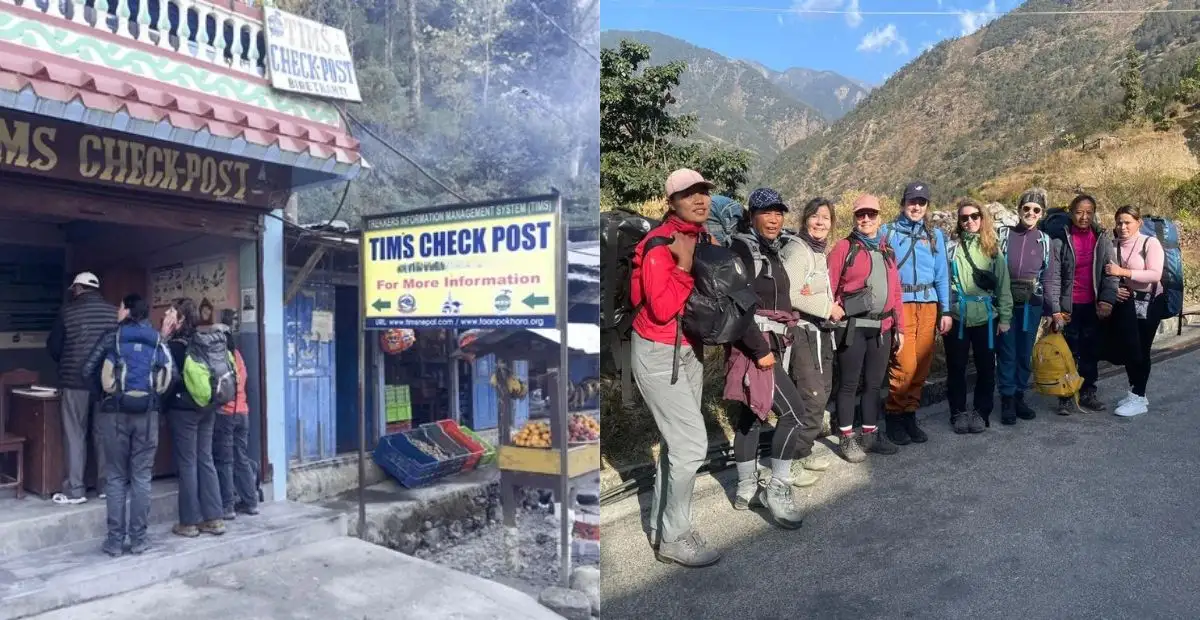
Annapurna Circuit Trek Permits
Most Annapurna Circuit itineraries require:
- ACAP (Annapurna Conservation Area Permit)
- TIMS (commonly requested in trekking regions; requirements and enforcement can vary
What this means for women
- More flexibility to choose guided or independent styles, depending on current regulations and comfort level
- Easier route modifications because permits are straightforward
- More freedom to shorten days, add side trips, or change stops
Even when a guide is not legally mandatory, many women prefer guided trekking for smoother logistics, stronger safety boundaries, and better acclimatization decisions.
Manaslu Circuit Trek Permits & Guide Rule
The Manaslu Circuit typically requires:
- Restricted Area Permit (RAP) for Manaslu
- Manaslu Conservation Area Permit (MCAP)
- The route often connects to areas on the Annapurna side, which is also referred to as ACAP.
- A licensed guide is mandatory through a registered trekking agency.
- The minimum group rule is commonly applied for restricted permits (often at least two trekkers, arranged by agencies).
What this means for women
- You will be guided, which reduces risk in remote sections.
- Logistics are more structured, which lowers decision fatigue.
- The permit system naturally creates a support framework that many women find reassuring.
Manaslu’s rules can feel restrictive, but they often translate into stronger safety and better organization.
Cost Comparison – Manaslu Circuit vs Annapurna Circuit
Cost is not only the price tag. It is value: what gets handled for you, what risks are reduced, and what comfort you can count on when you are worn out.

Annapurna Circuit Trek Cost
Annapurna tends to be more budget-flexible.
- More competition among lodges keeps daily costs stable.
- Guided packages vary widely by comfort levels and inclusions.
- Independent trekking can reduce costs but increases planning burden and risk exposure.
Typical cost drivers
- Guide/porter services
- Transportation to/from trailheads
- Accommodation upgrades (private room, hot shower, device charging)
- Extra acclimatization days
Annapurna generally offers strong value because infrastructure reduces friction.
Manaslu Circuit Trek Cost
Manaslu is usually more expensive because the required permits and regulations increase the overall cost.
- Restricted-area permits raise the base cost.
- A licensed guide and agency handling are required.
- Remoteness increases transport and logistics complexity.
Typical cost drivers
- Restricted permits and conservation permits
- Guide requirements and agency processing.
- Longer itinerary length for safer acclimatization and route pacing
- Limited lodge competition in remote sections
Manaslu costs more, but the expense often buys safety, structure, quiet, and a rarer experience.
Accommodation, Food & Comfort Levels
Comfort is a performance tool. Warmth improves sleep. Better nutrition improves altitude tolerance. Reliable hygiene reduces the risk of illness. For women, comfort also includes privacy, bathroom access, and feeling secure at night.
Annapurna Circuit accommodation and comfort
- More teahouses and a higher chance of private rooms
- More food variety, including better vegetarian options
- More frequent Wi-Fi/charging availability (often paid)
- More predictable hygiene standards due to higher traffic and established operations
- Easier to find warm common rooms and thicker blankets, especially in popular stops
Manaslu Circuit teahouse reality
- More basic rooms, often shared
- Simpler menus are sometimes repetitive for long stretches.
- Charging and Wi-Fi are less reliable, especially higher up.
- Heating and hot water can be limited.
- Bathrooms can be more rustic, especially in smaller villages.
Women-specific comfort planning is important for both comfort and safety.
- Bring a sleep system that protects recovery: warm layers, a liner, and a reliable sleeping bag rating for the season.
- Manage hydration and electrolytes daily for altitude and energy
- Pack hygiene essentials that work without running water: wipes, hand sanitizer, a menstrual kit, and a small dry bag.
- Prioritize eating enough, even when appetite drops at altitude.
If comfort predictability is a core need, Annapurna usually wins. If authenticity and simplicity feel energizing rather than stressful, Manaslu works.
Crowd Levels & Trekking Atmospheres
Atmosphere changes your nervous system. Some women feel safest when there are people around. Others feel most at peace when there are fewer eyes and less noise.
Annapurna Circuit: Crowds and Vibes
- More trekkers, especially in peak autumn and spring
- More social dining rooms and trail friendships
- It's easier to find shared space buddies.
- More “travel energy,” which can be motivating
Manaslu Circuit Quiet Trek Vibe
- Fewer trekkers, especially on midweek stretches.
- More silent walking hours
- Less social stimulation, more internal focus
- A stronger wilderness sensation
Crowds can feel safe or draining depending on personality. Quiet can feel peaceful or isolating depending on experience. Women-only group trekking solves the biggest downside of both: it gives social safety without forcing social performance.
Best Time to Trek – Weather Comparison
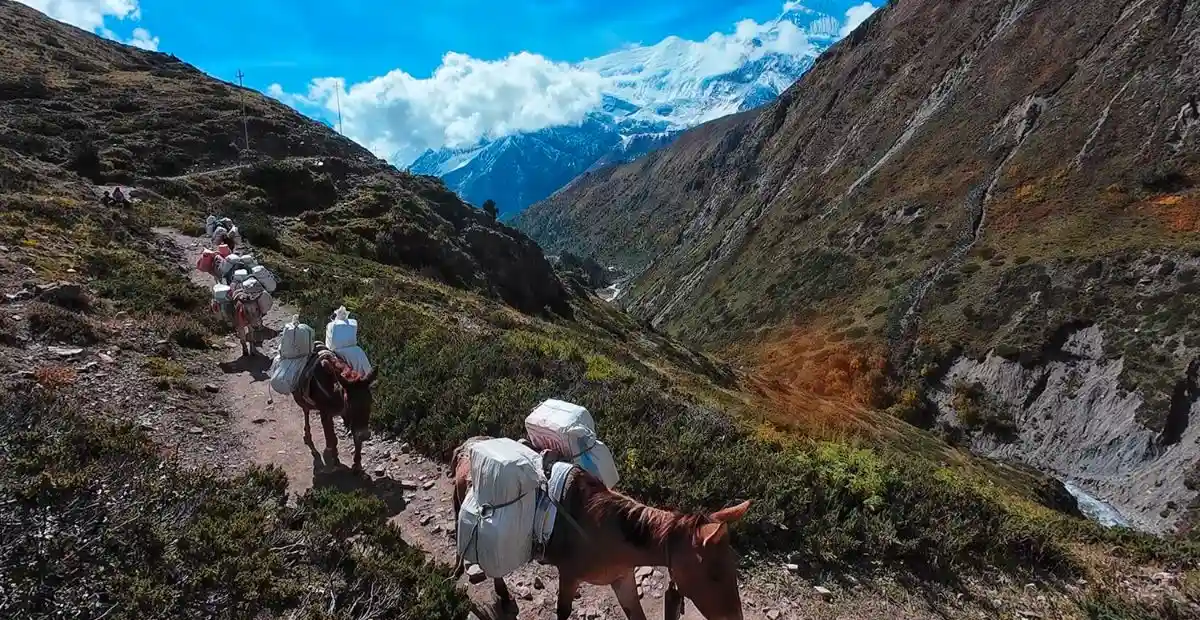
Both circuits are best in spring (March to May) and autumn (late September to November). Weather is a safety factor: cold increases fatigue, snow changes pass conditions, and poor visibility increases stress.
Spring
- Warmer days, colder mornings at altitude
- Rhododendron blooms in lower sections
- Possible late snow at passes depends on the year.
- Strong sense of renewal and bright trail energy
Autumn
- Stable weather, clear mountain views
- Colder nights as the season progresses
- Peak crowd period on Annapurna
- It is often the most predictable time for pass crossings.
Women-focused weather considerations
- Cold management affects sleep quality and recovery.
- Snow and ice conditions increase fall risk in passing days.
- Shorter daylight in late autumn increases pressure on long days.
- Visibility affects confidence in exposed or unfamiliar terrain.
Manaslu can feel harsher in poor weather because remoteness reduces fallback options. Annapurna is more forgiving because reroutes and support infrastructure are easier.
Which Trek Is Better for Women Trekkers?
The better trek is the one that matches your current confidence, comfort needs, and emotional preferences.
Choose Annapurna Circuit If…
- This is your first long trek in Nepal or your first high pass at altitude.
- Predictable accommodation and food variety are important for energy and recovery.
- You want itinerary flexibility and easier logistics.
- You prefer a social environment and enjoy shared trail culture.
- You want a trek that challenges you while still feeling supported by infrastructure.
- You want the classic Nepal circuit experience with wide scenery variety.
Choose Manaslu Circuit If…
- You want a quieter, deeper, more immersive Himalayan journey.
- You prefer fewer crowds and a more reflective trekking mood.
- You are ready for more rugged logistics and simpler teahouses.
- You want a strong Tibetan Buddhist cultural atmosphere.
- You want a structured trek where the guide requirement creates built-in safety.
- You want a challenge that feels like earned achievement, not just a checklist.
Why Trek with Women Adventures?
- Women-only groups designed for comfort, respect, and shared responsibility
- This is a women-owned trekking company that prioritizes women's needs without apology.
- Strong logistics that reduce stress: pacing, lodge selection, and daily structure.
- Emotional safety is prioritized as a genuine operational focus, rather than just marketing language.
- Sisterhood on the trail: a team atmosphere that turns challenging days into shared wins.
Women Adventures positions the trek as an empowering journey, not a survival test.
Final Thoughts – Manaslu Circuit or Annapurna Circuit?
The smartest choice is the one aligned with your current life season. Annapurna often builds confidence through variety and comfort. Manaslu often builds confidence through quiet difficulty and immersion. Both can transform you.
Pick based on the experience you want to live with every day:
- If you want a steady ladder of confidence with more comfort and flexibility, choose Annapurna.
- If you want a quieter, deeper challenge with a strong cultural atmosphere and fewer crowds, choose Manaslu.
Either way, a women-only guided experience can turn the Himalayas from intimidating to empowering, because the environment becomes supportive instead of performative.
FAQs About Manaslu Circuit vs. Annapurna Circuit for Women
Is the Manaslu Circuit Harder Than the Annapurna Circuit for Women Trekkers?
Usually, yes. Manaslu tends to feel harder day-to-day because it is more remote, has fewer comfort services, and demands stronger logistics discipline even though its highest pass is slightly lower than Annapurna’s. Thorong La on Annapurna is 5,416 m, while Larke (Larkya) La on Manaslu is commonly cited around 5,160 m.
Which Trek Is Safer for Women: Manaslu Circuit or Annapurna Circuit?
Both can be safe with the right setup. The safer option depends on what type of safety you need: external infrastructure vs. controlled logistics.
Annapurna often feels safer because
- More trekkers and more teahouses create a stronger “social safety net.”
- More accessible transport points in many sections allow easier exits.
Manaslu often becomes safer in practice because
- It is a restricted area where individual trekking is forbidden, and a minimum of two trekkers is required in restricted areas, which pushes travelers into guided, managed logistics.
Is Annapurna Circuit Beginner-Friendly for Women Trekkers?
Yes, with moderate fitness and a proper acclimatization plan. Annapurna is often the best first long Himalayan circuit because infrastructure is strong and the route offers predictable rest stops.
Can Women Trek the Manaslu Circuit Solo if Experienced?
No, not legally in the restricted area section. Nepal’s official rule states individual trekking in restricted areas is strictly forbidden and requires a minimum of two trekkers.
Which Trek Offers Better Accommodation and Food for Women?
Annapurna Circuit. The Annapurna Circuit offers more teahouses, better room options, a greater variety of menu items, and more reliable upgrades in hygiene and comfort. Manaslu is simpler and more basic due to remoteness.
How Much More Expensive Is the Manaslu Circuit Compared to the Annapurna Circuit?
The Manaslu Circuit typically costs 20%–60% more for comparable guided comfort. Main reasons: restricted-area permits, mandatory guide/agency handling, and higher logistics costs.
Which Trek Has Fewer Crowds and More Solitude?
Manaslu Circuit. The Manaslu Circuit offers fewer trekkers, a quieter trail, and a more authentic wilderness experience. Annapurna is more social and busier in peak seasons.
Which Trek Is Better if I’m Concerned About Altitude Sickness?
The Annapurna Circuit has a slight advantage over other treks. The Annapurna Circuit offers more infrastructure and flexibility to accommodate additional rest/acclimatization days. Manaslu can be safe with a conservative guided itinerary but has fewer fallback options.
Can Women Charge Phones and Access Wi-Fi on Both Treks?
Yes, for both (usually paid). Annapurna is generally more reliable and frequent. Manaslu can be patchy, especially higher up.
Which Trek Should Women Choose Overall: Manaslu or Annapurna?
- Choose Annapurna for comfort, flexibility, and confidence-building support.
- Choose Manaslu for solitude, deeper immersion, and a more rugged challenge with structured guidance.